
Princess Diana: Amazing Life, Royal Journey, Humanitarian Work & Legacy
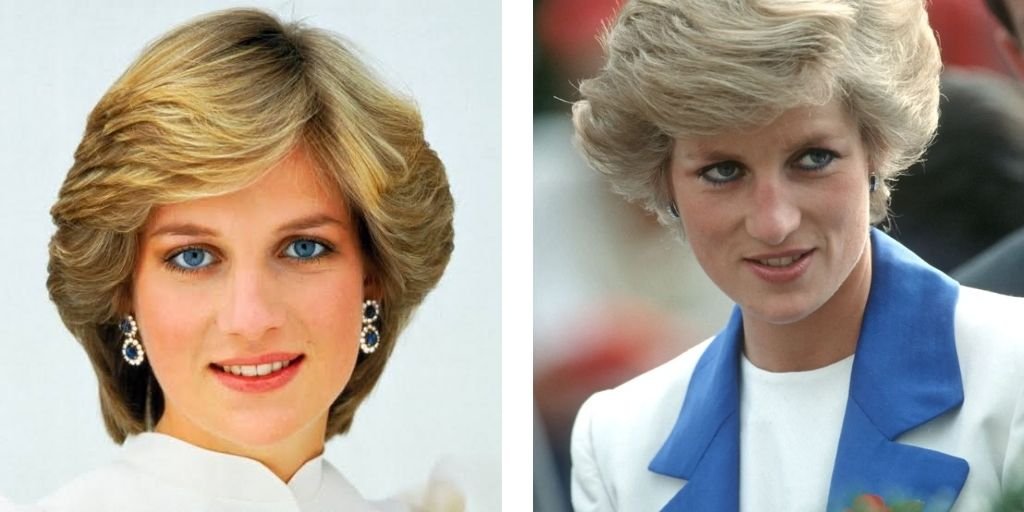
Princess Diana remains one of the most remembered women of the 20th century. Even decades after her death, people around the world continue to talk about her kindness, style, family life, charity work, and complicated relationship with the British royal family. But what made her so special? Why does her story still connect with people who never had the chance to see her in person?
Diana was more than a famous royal. She was a young woman who entered one of the world’s most watched families, became the Princess of Wales, raised two sons, supported numerous charitable causes, and gradually developed a public voice of her own. Her life included extraordinary privilege, but it also contained pressure, loneliness, personal struggles, and intense media attention.
Her story can be compared to a bright candle burning in a very strong wind. The light became increasingly visible to the world, but keeping that flame alive was not always easy. Diana’s journey from a shy young woman to an internationally recognized humanitarian was filled with moments of joy, difficulty, courage, and change.
Early Life and Family Background
Diana Frances Spencer was born on July 1, 1961, at Park House on the Sandringham estate in Norfolk, England. She was the daughter of John Spencer, Viscount Althorp, and Frances Shand Kydd.
The Spencer family was an old British aristocratic family with a long connection to the royal household. Diana therefore grew up in a privileged environment, but her childhood was not completely carefree.
Growing Up in an Aristocratic Family
Diana spent part of her childhood at Park House before the family moved to Althorp, the Spencer family estate in Northamptonshire. She had two older sisters, Sarah and Jane, and a younger brother, Charles.
Her parents’ marriage eventually broke down, and their divorce had an emotional effect on the children. Diana later became known for having a strong sensitivity toward people experiencing family difficulties.
She attended schools in England and later studied at the Institut Alpin Videmanette in Switzerland. Unlike many members of the upper class, she was not known for pursuing an elaborate academic career. Instead, she developed interests in music, dance, children, and helping others.
A Quiet Young Woman
Before becoming famous, Diana worked as a nursery assistant and kindergarten teacher in London. Her work with children gave her a connection to ordinary family life that would later influence the way she approached her public responsibilities.
At this point, she was not yet the international celebrity that the world would eventually know. She was a young woman trying to build a life for herself while living within a highly privileged social circle.
Meeting Prince Charles
Diana’s life changed dramatically when she became acquainted with Charles, the Prince of Wales.
Charles had previously dated Diana’s older sister, Sarah Spencer. Diana and Charles eventually developed a relationship, and their courtship attracted increasing public attention.
A Royal Engagement
In February 1981, the couple announced their engagement. Diana was only 19 years old, while Charles was 32.
The engagement instantly became international news. People were fascinated by the young woman who was about to marry the heir to the British throne.
Diana’s engagement ring became famous as well. It featured a large oval blue sapphire surrounded by diamonds. The distinctive ring later became associated with another generation of the royal family.
For Diana, however, the engagement represented much more than a beautiful ring or a royal title. She was about to enter an institution governed by centuries of tradition and public expectations.
The Royal Wedding of 1981
On July 29, 1981, Diana married Prince Charles at St Paul’s Cathedral in London.
The wedding became one of the biggest televised events of the century. Millions of people watched around the world as Diana arrived in her famous wedding dress and walked toward the altar.
A Dress That Became History
Diana’s wedding dress, designed by David and Elizabeth Emanuel, featured an enormous train and became one of the most recognizable bridal gowns in modern history.
Her appearance helped create an extraordinary public fascination with her. Newspapers, television networks, photographers, and royal followers wanted to know everything about the new Princess of Wales.
Yet behind the fairy-tale photographs was a young woman entering a demanding new role.
Becoming the Princess of Wales
After her marriage, Diana had to learn royal traditions, public speaking, official travel, diplomatic behavior, and charitable responsibilities.
The expectations were enormous. She was no longer simply Diana Spencer. Every public appearance was analyzed, photographed, and discussed.
She was also expected to represent the monarchy while developing a new family life of her own.
Family Life and Her Sons
Diana and Charles welcomed their first son, Prince William, on June 21, 1982. Their second son, Prince Harry, was born on September 15, 1984.
Motherhood became one of the most important parts of Diana’s life.
A Different Approach to Parenting
Diana wanted her children to experience parts of ordinary life despite their extraordinary position.
She took William and Harry to schools, restaurants, amusement parks, and other public places. She wanted them to understand that life existed beyond palace walls.
She was affectionate and involved, and she often tried to protect her sons from the pressures surrounding their family.
Her approach was significant because royal children had traditionally been raised within strict institutional structures. Diana brought a more openly emotional style to motherhood.
William and Harry
Diana’s relationship with her sons remained central to her life.
She encouraged them to understand people from different backgrounds and exposed them to situations that were far removed from royal ceremonies.
Many years later, both sons continued to speak about their mother and the influence she had on their lives.
For Diana, being a mother was not simply another public role. It was deeply personal.
Life Inside the Royal Family
Diana’s popularity grew rapidly after her marriage. She became one of the most photographed women in the world.
At the same time, her marriage became increasingly difficult.
A Marriage Under Pressure
The relationship between Diana and Charles was complicated by personal differences, intense public attention, and difficulties within the marriage.
Their problems became a major subject of the British press. Rumors and reports about their private lives appeared regularly in newspapers and magazines.
Diana herself began speaking more openly about some of her experiences, something that was unusual for a senior member of the royal family at the time.
Her openness made her relatable to millions of people, but it also created tension within the traditional royal system.
Separation
Charles and Diana formally separated in 1992.
Their separation did not immediately end their public responsibilities. Both continued to undertake official duties, while the media remained intensely interested in their relationship.
Their divorce was finalized in August 1996.
Diana retained the title “Diana, Princess of Wales,” although she was no longer styled “Her Royal Highness.”
Diana’s Humanitarian Work
Perhaps the most important part of Diana’s long-term legacy is her humanitarian work.
She supported numerous charities and used her international fame to draw attention to causes that often received less public interest.
Helping Children and Families
Diana supported organizations working with children, homelessness, disability, poverty, and illness.
She often visited hospitals and shelters personally. Instead of simply appearing at a fundraising event, she frequently spent time speaking with people who were struggling.
This personal approach became one of her trademarks.
She understood that a photograph of a royal meeting someone could attract enormous attention. She used that attention to make people notice issues that might otherwise be ignored.
Breaking the Stigma Around HIV and AIDS
One of Diana’s most significant public contributions involved HIV and AIDS.
During the 1980s and 1990s, fear and misinformation surrounding HIV were widespread. Some people incorrectly believed that the virus could be transmitted through ordinary physical contact.
Diana helped challenge this misunderstanding.
Her decision to shake hands with people living with HIV became an important public moment. She demonstrated compassion at a time when many people were afraid to get close to those affected by the disease.
Her actions helped encourage a more informed and humane conversation about HIV/AIDS.
The Landmine Campaign
Diana also became strongly associated with efforts to raise awareness about landmines.
In January 1997, she visited a de-mining area in Angola and walked through a cleared section of land while wearing protective equipment. The images attracted worldwide attention.
Her involvement brought the humanitarian consequences of landmines to a huge international audience.
The campaign became an important part of her public legacy.
Princess Diana and the Media
Diana had one of the most complicated relationships with the media in modern celebrity history.
On one hand, newspapers and television made her globally famous. On the other hand, relentless photography and speculation placed enormous pressure on her private life.
The Power of the Photograph
Diana understood how powerful an image could be.
A simple photograph of her comforting a child, visiting a hospital, or wearing a particular outfit could appear in newspapers across the world.
Her clothing became a major subject of public discussion. The “Diana effect” influenced fashion, hairstyles, and popular culture.
She became a style icon almost without trying to become one.
The Paparazzi Problem
As Diana’s popularity increased, paparazzi photographers followed her extensively.
The constant attention could make ordinary activities difficult. Private moments became potential headlines.
The relationship between Diana and the press was therefore complicated. At times, media attention helped her charitable causes. At other times, it invaded her personal life.
This tension became particularly serious during the final years of her life.
Her Fashion and Cultural Influence
Diana’s influence extended far beyond royal ceremonies.
She became one of the most influential fashion figures of her generation.
From Royal Dresses to Casual Style
Diana could look elegant at a formal event, but she was equally memorable in jeans, sweatshirts, sneakers, and casual clothing.
Her style evolved as she became more confident.
Early in her royal life, her clothing often reflected traditional expectations. Later, her fashion choices became more personal and modern.
She worked with designers and developed a recognizable style based on tailored suits, elegant dresses, simple jewelry, and sophisticated casual clothing.
Why Her Style Still Matters
What makes Diana’s fashion influence remarkable is its longevity.
Young people who were not alive during her lifetime continue to study her outfits and recreate her looks.
Her style combined elegance with accessibility. She could appear glamorous without looking completely distant from everyday people.
That balance helped make her a lasting cultural icon.
A More Independent Diana
After her divorce, Diana entered a new chapter.
Without the same level of royal structure surrounding her, she had greater freedom to decide which causes she wanted to support and how she wanted to use her public platform.
Finding Her Own Voice
Diana became increasingly independent in her public work.
She supported organizations involved in homelessness, children, health, and humanitarian relief.
Her approach was increasingly focused on personal contact rather than ceremony.
She was willing to sit with patients, hug children, talk with people living on the margins, and show emotion publicly.
That behavior helped change public expectations about what a prominent public figure could look like.
A Human Connection
Diana’s greatest strength may have been her ability to make people feel seen.
She did not always need a long speech. Sometimes a conversation, a smile, or a simple touch communicated more than formal words could.
That emotional connection became a major part of her appeal.
Diana’s Final Years
The final years of Diana’s life were marked by independence, international attention, charity work, and continuing media pressure.
She remained one of the world’s most recognizable people.
After her divorce, she continued to live in London and devoted considerable time to humanitarian activities.
She also developed relationships outside the royal family and continued to attract intense media interest.
Her personal life remained the subject of global speculation.
Despite the difficulties surrounding her, Diana continued working with charitable organizations and using her influence to draw attention to humanitarian issues.
The Tragic Death of Princess Diana
On August 31, 1997, Diana died in a car crash in Paris, France. She was 36 years old.
Her death shocked the world.
Diana had been traveling in a car with Dodi Fayed when the vehicle crashed in the Pont de l’Alma tunnel. Dodi Fayed and the driver, Henri Paul, also died. Diana’s bodyguard, Trevor Rees-Jones, survived.
The news spread rapidly across the globe.
A Worldwide Reaction
People gathered outside royal residences, churches, and public buildings to leave flowers and messages.
Millions watched the funeral service on television.
The scale of the public grief was extraordinary. People who had never met Diana felt that they had lost someone they knew.
Her death also triggered renewed discussion about paparazzi culture, privacy, road safety, and the responsibilities of the media.
The Funeral
Diana’s funeral took place at Westminster Abbey on September 6, 1997.
Her brother, Charles Spencer, delivered a widely remembered speech. Elton John performed a specially adapted version of “Candle in the Wind.”
After the funeral, Diana was buried on an island in the ornamental lake at Althorp, the Spencer family estate.
Her final resting place became a destination for people wishing to remember her.
Princess Diana’s Lasting Legacy
More than a generation after her death, Diana’s influence remains visible.
Her legacy can be found in charitable organizations, humanitarian campaigns, popular culture, fashion, and the public lives of her sons.
Changing the Image of the Royal Family
Diana helped make the royal family appear more emotionally accessible.
She showed that a member of the monarchy could openly display compassion and vulnerability.
Her approach influenced expectations around royal charity work and public engagement.
Influence on William and Harry
Prince William and Prince Harry have both continued charitable work in areas that reflect some of their mother’s interests.
William has supported causes involving homelessness, mental health, conservation, and community welfare.
Harry has also worked on humanitarian and charitable projects.
While each has developed his own identity, their mother’s influence remains part of the public story surrounding them.
An Enduring Humanitarian Symbol
Diana’s most important legacy is arguably not her fashion, fame, or royal title.
It is the way she used visibility.
She had access to some of the world’s largest audiences, and she used that access to highlight people who were often ignored.
That is why her story continues to matter.
Why Princess Diana Is Still Remembered
Why does Diana remain so fascinating after all these years?
Part of the answer is that her life contained almost every element of a modern human story: ambition, love, family, fame, pressure, change, compassion, tragedy, and legacy.
She was born into privilege but became famous for showing compassion toward people who had very little.
She lived in a world of palaces but often focused her attention on hospitals, shelters, children, and humanitarian causes.
She was a global celebrity who experienced many of the difficulties that come with being constantly watched.
Most importantly, Diana changed as her life progressed.
She began as a shy young woman entering an extraordinary institution. She eventually became a confident public figure who understood how powerful her voice could be.
Her life was not perfect, and neither was she. That may be part of the reason people continue to connect with her.
Diana’s story reminds us that fame does not protect someone from pain, and wealth does not automatically create happiness. At the same time, influence can be used for something meaningful.
Her legacy is like a ripple spreading across water. The person who created the first ripple may be gone, but the movement continues long afterward.
Conclusion
Princess Diana’s life was extraordinary, complicated, and deeply human. From her childhood as a member of the Spencer family to her marriage to Prince Charles, motherhood, humanitarian work, divorce, and tragic death, her journey captured the world’s attention.
Yet her greatest achievement was not becoming famous. It was using that fame to encourage compassion.
She helped challenge attitudes toward HIV/AIDS, supported vulnerable children and families, raised awareness about landmines, and brought attention to people living difficult lives.
Her story also demonstrates the cost of constant public attention. Diana experienced intense media scrutiny while trying to build a private life and raise her children.
Decades later, her image remains familiar, but her humanitarian message may be even more important than her celebrity.
Princess Diana is remembered because she made people feel that kindness mattered. Her life ended too soon, but the causes she supported and the emotional connection she created continue to influence people around the world.
Frequently Asked Questions
1. When was Princess Diana born?
Princess Diana was born on July 1, 1961, at Park House on the Sandringham estate in Norfolk, England.
2. When did Princess Diana marry Prince Charles?
Diana married Prince Charles on July 29, 1981, at St Paul’s Cathedral in London. Their wedding became one of the most watched royal events of the 20th century.
3. How many children did Princess Diana have?
Princess Diana had two sons, Prince William and Prince Harry. She was deeply involved in their upbringing and wanted them to experience aspects of ordinary life despite their royal position.
4. What charities and causes did Princess Diana support?
Diana supported many humanitarian and charitable causes involving children, homelessness, health, disability, poverty, HIV/AIDS awareness, and landmine victims. Her personal involvement helped bring international attention to several of these issues.
5. How did Princess Diana die?
Princess Diana died on August 31, 1997, following a car crash in the Pont de l’Alma tunnel in Paris. She was 36 years old. Her death led to an extraordinary worldwide outpouring of grief and renewed debate about media attention and pr