Clint Eastwood: An Incredible Life, Career, Movies and Legacy
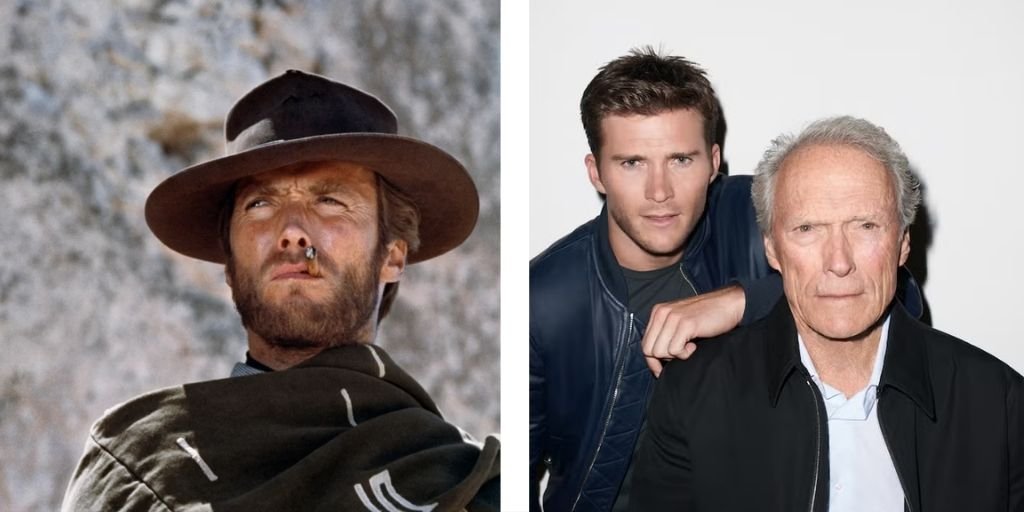
Clint Eastwood is one of those rare Hollywood figures whose name seems to belong to several generations at once. To some people, he is the quiet gunslinger from classic Westerns. To others, he is the tough detective Harry Callahan. And for many film lovers, he is an accomplished director who spent decades telling thoughtful stories about ordinary people facing difficult choices.
Born in 1930, Eastwood built a career that stretched from television Westerns to major Hollywood productions and critically respected directing work. What makes his journey especially interesting is that he did not remain trapped in one image. He repeatedly changed direction, taking on new challenges as an actor, filmmaker, producer, and composer.
So, how did a young man who struggled to find his place in Hollywood become one of the industry’s most recognizable figures? His story is filled with unexpected turns, memorable performances, creative risks, and a determination to keep working.
Early Life and the Road to Hollywood
Clint Eastwood was born on May 31, 1930, in San Francisco, California, and grew up in a working-class family during the difficult years surrounding the Great Depression.
His early life did not immediately point toward a career in entertainment. Like many young Americans of his generation, he held different jobs while trying to find his direction. He worked in areas far removed from the glamorous image of Hollywood and spent time developing practical skills that would later contribute to his independent personality.
A Late Start in Acting
Eastwood’s entry into professional acting was gradual. He took small parts and appeared in films before receiving the opportunity that would change his career.
Hollywood did not instantly recognize him as a future superstar. In fact, his early screen work was relatively modest. His tall frame, reserved expression, and understated manner eventually became important parts of his screen identity.
There was something unusual about his presence. He did not always need long speeches or dramatic gestures. A glance could communicate tension, suspicion, confidence, or anger.
That quiet style would become one of his greatest strengths.
The Breakthrough With Rawhide
Eastwood’s major television breakthrough came with the Western series Rawhide, which premiered in 1959.
He played Rowdy Yates, a young cowboy involved in the challenges of cattle drives. The series became popular and gave Eastwood regular exposure to American television audiences.
From Television Actor to Film Star
At the time, television Westerns were extremely popular, but Eastwood wanted to expand his career beyond the small screen.
His opportunity arrived through Italian filmmaker Sergio Leone.
Leone cast Eastwood as the mysterious central figure in a series of Western films that became known collectively as the “Dollars Trilogy.” The films included A Fistful of Dollars, For a Few Dollars More, and The Good, the Bad and the Ugly.
The partnership was enormously important.
Eastwood’s character was not the traditional cheerful Western hero. Instead, he was quiet, unpredictable, and morally complicated. His poncho, cigar, squint, and controlled movements became instantly recognizable.
It was almost like watching a chess player who rarely showed his next move.
The success of these films transformed Eastwood from a television performer into an international movie star.
The Man With No Name and Western Fame
The character commonly known as the Man with No Name became one of the defining figures of Eastwood’s career.
Unlike conventional heroes, the character often operated according to his own rules. He could be helpful, selfish, humorous, or ruthless depending on the circumstances.
Why the Character Connected With Audiences
The appeal was partly visual. Eastwood’s appearance and body language created a strong screen presence.
But the character also reflected changing attitudes toward the traditional Western hero. Instead of presenting a completely noble cowboy, Leone’s films explored greed, survival, revenge, and moral uncertainty.
Eastwood understood how powerful silence could be.
Rather than filling every scene with dialogue, he often allowed pauses and expressions to carry the moment. This approach later became an important part of his directing style.
The international popularity of the trilogy established Eastwood as a major film star and gave him the financial and professional freedom to pursue more ambitious projects.
Dirty Harry and a New Kind of Movie Hero
In 1971, Eastwood played police inspector Harry Callahan in Dirty Harry.
The character became another defining role, but this time the setting was modern San Francisco rather than the Old West.
Callahan was tough, blunt, and willing to challenge established procedures. The film became a major commercial success and produced several sequels.
The Debate Around Harry Callahan
The character also generated considerable discussion because of the film’s treatment of policing, violence, and justice.
Some audiences viewed Callahan as an uncompromising crime fighter, while critics and commentators debated whether the character’s methods represented a troubling approach to law enforcement.
That debate became part of the film’s cultural legacy.
Eastwood himself became strongly associated with the character, but his career eventually demonstrated that he was capable of much more than playing tough men.
Building a Career Behind the Camera
One of the most important developments in Eastwood’s career was his transition into directing.
He made his directorial debut with Play Misty for Me in 1971, a psychological thriller in which he also starred.
Directing allowed Eastwood to move beyond simply performing someone else’s material. He could shape the tone, pacing, performances, and overall storytelling.
A Different Kind of Filmmaker
Eastwood developed a reputation for efficiency.
He generally preferred preparation and straightforward filmmaking rather than excessive shooting. His approach became associated with getting scenes completed without unnecessary delays.
That practical attitude helped him create a large body of work over several decades.
He directed films across multiple genres, including Westerns, dramas, thrillers, romantic stories, biographies, and historical films.
Unforgiven and a Major Turning Point
One of the most important films of Eastwood’s career was Unforgiven, released in 1992.
Eastwood directed and starred in the film as William Munny, a former outlaw who has attempted to leave his violent past behind.
The story challenged familiar Western mythology.
Instead of presenting violence as exciting or glamorous, Unforgiven examined its consequences and questioned the idea of the heroic gunslinger.
Recognition From Hollywood
The film received widespread critical acclaim and won four Academy Awards, including Best Picture and Best Director for Eastwood.
Its success was significant because it demonstrated that Eastwood’s filmmaking could operate on a deeper level than the action-oriented image associated with some of his earlier work.
Unforgiven became a landmark in the modern Western and an important statement about the stories that had defined Eastwood’s career.
The Director Behind Mystic River
Eastwood continued developing as a director during the 1990s and 2000s.
In 2003, he directed Mystic River, a dark crime drama based on the novel by Dennis Lehane.
The film explored childhood trauma, friendship, grief, suspicion, and the devastating effects of violence.
A More Serious Side of Eastwood
Unlike the Westerns and police thrillers that had established his fame, Mystic River focused heavily on emotional consequences.
The film earned multiple Academy Award nominations, with Sean Penn and Tim Robbins winning acting awards for their performances.
Eastwood’s direction was restrained. He allowed the actors and story to carry much of the emotional weight.
This became characteristic of his later filmmaking.
Million Dollar Baby and Oscar Success
Eastwood reached another major career milestone with Million Dollar Baby, released in 2004.
He directed the film, produced it, composed music for it, and played a supporting role as Frankie Dunn.
The story centers on a determined woman who wants to become a professional boxer and the older trainer who reluctantly agrees to help her.
A Story About Dreams and Difficult Choices
At first, the movie appears to be a familiar sports story. A determined athlete meets an experienced trainer, works hard, and pursues success.
But the narrative eventually moves into much more complicated territory, examining family relationships, loyalty, dignity, suffering, and personal decisions.
The film won four Academy Awards, including Best Picture and Best Director for Eastwood.
It confirmed his position not merely as a former action star but as one of Hollywood’s established filmmakers.
Later Films and Changing Subjects
Eastwood continued directing well into his later years.
His projects included stories about historical figures, musicians, athletes, military experiences, criminals, and ordinary people caught in extraordinary circumstances.
Films such as Flags of Our Fathers and Letters from Iwo Jima examined the Battle of Iwo Jima from different perspectives.
He also directed Changeling, Invictus, J. Edgar, American Sniper, Sully, The Mule, and Cry Macho.
Exploring Real People
A recurring feature of Eastwood’s later work is his interest in people dealing with pressure.
In Sully, for example, he told the story of airline pilot Chesley “Sully” Sullenberger and the emergency landing of US Airways Flight 1549.
The Mule focused on an elderly horticulturist who becomes involved in drug trafficking.
These stories were very different from the Westerns that originally made Eastwood famous, yet they continued his interest in individuals facing difficult circumstances.
Clint Eastwood as a Producer and Composer
Eastwood’s contribution to cinema extends beyond acting and directing.
He has also worked as a producer and has been involved with the music for several of his films.
A Lifelong Interest in Music
Music has played an important role in Eastwood’s creative life. He has composed and contributed to scores for films, including Mystic River, Million Dollar Baby, and Gran Torino.
His musical interests also reflect his broader artistic personality. Rather than treating filmmaking as a single job, Eastwood has often approached it as a combination of storytelling, performance, sound, photography, and atmosphere.
That versatility is one reason his career has remained distinctive.
Personal Life and Public Image
Eastwood has had a long and complicated personal life, including marriages, relationships, and children.
He has generally maintained a relatively private approach to many personal matters compared with some modern celebrities.
Family and Fatherhood
Eastwood is the father of several children, some of whom have pursued careers in entertainment.
His son Scott Eastwood became an actor, appearing in films such as The Longest Ride, Suicide Squad, and The Fate of the Furious.
Eastwood’s family has therefore remained connected to the entertainment industry across generations.
His public image, meanwhile, has remained closely tied to the characters he played. Even when his directing career became dominant, audiences continued to associate him with the tough, quiet persona established decades earlier.
Clint Eastwood’s Political and Civic Career
Eastwood has also had a public life outside entertainment. He served as mayor of Carmel-by-the-Sea, California, from 1986 to 1988.
During that period, he became involved in local civic matters and helped draw national attention to the small California community.
His political views have varied across different issues and periods, and he has publicly expressed positions that do not always fit neatly into one political category.
It is useful to distinguish his public political statements and civic service from his film career rather than treating them as the same part of his identity.
His Acting Style and Screen Presence
What makes Eastwood’s acting memorable?
Part of the answer lies in restraint.
He rarely depended on exaggerated facial expressions or long emotional speeches. Instead, he often used posture, timing, pauses, and a controlled voice.
The Power of Silence
In many of his most famous scenes, Eastwood’s characters say less than the people around them.
That approach became almost a signature.
Imagine a crowded room where everyone is talking at once. Then one person becomes completely silent. Suddenly, everyone notices them.
Eastwood often created that effect on screen.
His characters could appear intimidating without constantly explaining themselves. This made his performances easy to recognize and helped influence later generations of actors.
The Legacy of a Hollywood Career
Few performers have successfully moved through so many stages of the film business.
Eastwood began with television Westerns, became an international movie star, established himself through action films, moved behind the camera, won major awards as a director, and continued making films decades after many of his contemporaries had retired.
Influence on American Cinema
His career also helped demonstrate that an actor associated with one genre could reinvent himself.
The Western star became a director of intimate dramas.
The action hero became a filmmaker interested in aging, regret, responsibility, memory, and difficult moral questions.
That evolution may be the most interesting part of his story.
Rather than simply repeating what had worked before, Eastwood repeatedly explored new territory.
Clint Eastwood’s Enduring Place in Film History
Clint Eastwood’s career is remarkable not simply because of its length but because of its evolution.
He became famous playing characters who often seemed emotionally distant, yet many of the films he later directed were deeply interested in human relationships and difficult emotions.
His journey from Rawhide to the Man with No Name, from Harry Callahan to William Munny, and from leading actor to award-winning director represents several different eras of American cinema.
He also showed that aging does not necessarily mean disappearing from creative life. Instead, his work demonstrated how an artist can adapt while maintaining a recognizable identity.
Conclusion
Clint Eastwood’s story is ultimately a story of reinvention. He entered Hollywood without the kind of instant success that might suggest a legendary future, but persistence gradually opened doors. Westerns made him famous, Dirty Harry turned him into an iconic screen figure, and directing allowed him to build another chapter of his career.
From Unforgiven and Mystic River to Million Dollar Baby and his later films, Eastwood continued exploring stories about choices, consequences, courage, aging, and human nature.
His career is like a long road with several different landscapes. The scenery changed, but he kept moving forward.
Frequently Asked Questions
1. What is Clint Eastwood best known for?
Clint Eastwood is best known for his roles in Westerns, particularly Sergio Leone’s “Dollars Trilogy,” and for playing Inspector Harry Callahan in the Dirty Harry films. He is also highly regarded as a director.
2. Did Clint Eastwood win an Academy Award for directing?
Yes. Eastwood won the Academy Award for Best Director for Unforgiven and again for Million Dollar Baby. Both films also won Best Picture.
3. What was Clint Eastwood’s first major television role?
One of his most important early television roles was Rowdy Yates in the Western series Rawhide, which helped establish him as a recognizable performer.
4. What are some famous films directed by Clint Eastwood?
Some notable films he directed include Unforgiven, Mystic River, Million Dollar Baby, Flags of Our Fathers, Letters from Iwo Jima, Gran Torino, Sully, The Mule, and Cry Macho.
5. Did Clint Eastwood ever hold public office?
Yes. Eastwood served as mayor of Carmel-by-the-Sea, California, f