
Mickey Mouse: The Amazing Story, History, Characters, Career & Legacy
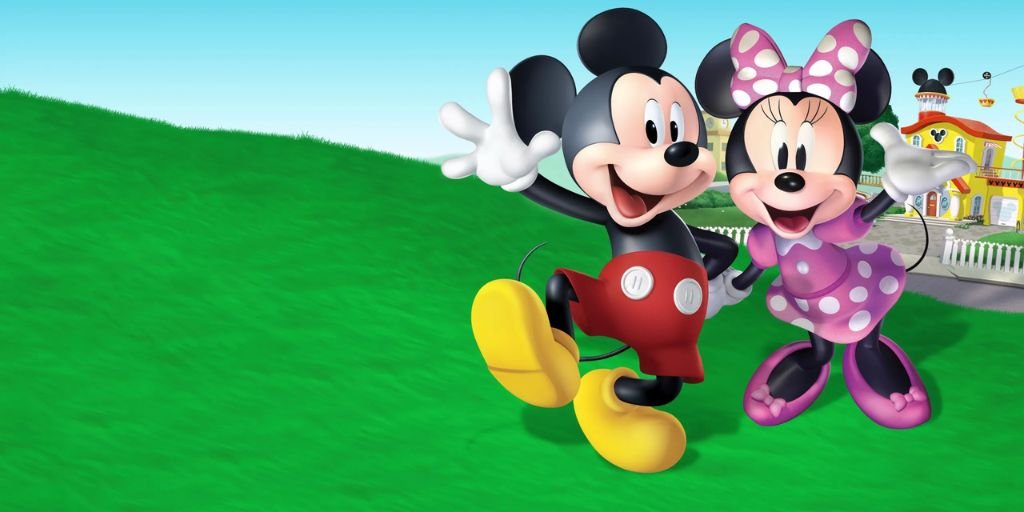
Mickey Mouse is more than a cartoon character. For generations, he has been a familiar face to children, parents, grandparents, and fans around the world. With his round ears, white gloves, cheerful personality, and unmistakable voice, Mickey became one of the most recognizable characters in entertainment history.
But how did a simple animated mouse become such a powerful cultural symbol? What made audiences connect with him for so many years? And why does he remain important even after nearly a century?
The story of Mickey Mouse is closely connected with the rise of animation, the growth of Disney, and the changing world of popular entertainment. From his early black-and-white cartoons to television, theme parks, merchandise, video games, and modern media, Mickey has continually found new ways to stay relevant.
The Beginning of Mickey Mouse
Mickey Mouse was created during an important period in the history of animation. In the late 1920s, Walt Disney and his creative team were looking for a new character who could become the center of their animated productions.
Before Mickey, Disney had achieved success with Oswald the Lucky Rabbit. However, Disney lost control of Oswald after a business dispute. That setback pushed him and his team to develop a new character.
The result was Mickey.
Walt Disney worked with animator Ub Iwerks on the character’s early development. Mickey was designed to be simple enough to animate repeatedly while still having a personality that audiences could easily understand.
At first, the character looked somewhat different from the Mickey people recognize today. His body was thinner, his eyes were different, and his overall appearance reflected the visual style of early animation.
Yet the basic idea was already there: a playful, optimistic character who could get into trouble but would keep going.
That quality became one of Mickey’s greatest strengths.
Steamboat Willie and the Rise of a Star
Mickey’s first produced appearance came in Plane Crazy, followed by The Gallopin’ Gaucho. However, neither became the cultural breakthrough that Disney needed.
Everything changed with Steamboat Willie, released in 1928.
The short became famous partly because of its effective synchronization of animation and sound. At a time when audiences were becoming fascinated by talking and sound films, the combination gave Mickey a fresh appeal.
The cartoon featured Mickey working aboard a steamboat while interacting with Minnie Mouse and other characters.
Why was this so important?
Imagine being an audience member in 1928. Animated characters had existed before, but synchronized sound made the experience feel much more alive. Mickey was not simply moving across a screen. He was performing.
The success of the film helped establish Mickey as a major animated personality.
It also helped place Disney at the center of the rapidly developing animation industry.
Mickey’s rise was like a small snowball rolling down a hill. It started with a relatively simple cartoon but gradually became something much larger.
Walt Disney and Mickey’s Personality
Walt Disney was closely associated with Mickey during the character’s early years. Disney provided Mickey’s voice for many years and helped shape the character’s personality.
Early Mickey was mischievous, energetic, curious, and sometimes rebellious. He was not always the perfectly polite character seen in later decades.
This was part of his appeal.
Mickey could make mistakes. He could become frustrated. He could take risks. Most importantly, he could recover from problems.
That made him relatable.
People do not always connect with characters because they are perfect. Often, audiences prefer characters who struggle, make mistakes, and continue trying.
Mickey’s personality gradually changed as the Disney brand developed. He became more wholesome and family-friendly, eventually becoming a symbol of happiness, friendship, imagination, and innocence.
His transformation reflected changes in both society and entertainment.
Mickey Mouse and Minnie Mouse
Mickey’s story would be incomplete without Minnie Mouse.
Minnie was introduced alongside Mickey during the character’s early period and quickly became an important part of his world. Their relationship has remained one of the best-known partnerships in animation.
Minnie has never simply been a background character. Over the decades, she has developed her own identity, personality, fashion, interests, and career within Disney stories.
Together, Mickey and Minnie represent friendship, affection, and companionship.
Their relationship also helped expand the storytelling possibilities surrounding Mickey. Instead of being a character who existed only for comedy, Mickey could appear in stories involving friendship, teamwork, adventure, and everyday situations.
The two characters became a recognizable pair across cartoons, merchandise, theme parks, television programs, and promotional material.
How Mickey Mouse Changed Animation
Mickey’s importance goes beyond the character himself.
His success contributed to the growth of animated entertainment and helped demonstrate that cartoons could become commercially successful forms of mass entertainment.
Animation had existed before Mickey, but Disney’s productions helped push the medium forward through improvements in sound, music, storytelling, character design, and production methods.
Mickey cartoons also helped establish the idea that animated characters could become celebrities.
Today, audiences are used to seeing animated characters everywhere. They appear in movies, television series, advertisements, games, toys, clothing, books, and social media.
Mickey was one of the characters who helped make that possible.
He showed that audiences could form strong emotional connections with drawings on a screen.
The Evolution of Mickey’s Appearance
Mickey’s appearance has changed considerably over the decades.
Early Mickey had a more mischievous and cartoonish look. His body proportions, eyes, face, hands, and movements evolved as animation techniques improved.
The familiar round ears became one of his strongest visual features.
His clothing also became increasingly recognizable. Red shorts, large shoes, white gloves, and his distinctive ears created a design that could be identified almost instantly.
Why does simple design matter so much?
Think about a road sign. A successful sign does not require a long explanation. You recognize its shape and understand its meaning almost immediately.
Mickey works in a similar way.
Even when shown in a simple silhouette, his ears and overall shape can make him recognizable.
That visual simplicity has helped Mickey work across many different forms of media.
Mickey Mouse in Film and Television
Mickey’s career expanded far beyond theatrical short films.
As television became popular, Mickey became a natural fit for the new medium. Disney television programs introduced him to new generations of viewers who might never have experienced his earliest theatrical cartoons.
Programs featuring Mickey and other Disney characters helped make the character part of everyday family entertainment.
Over time, Mickey appeared in numerous television productions, specials, animated series, and promotional programs.
His television presence also helped maintain his relevance as entertainment habits changed.
A child who discovered Mickey through television could later encounter him at a Disney theme park, in a video game, on clothing, or through another form of entertainment.
This ability to move between platforms became one of the character’s biggest advantages.
Mickey Mouse in Disney Theme Parks
For many people, Mickey is not simply a character they watch. He is a character they meet.
Disney theme parks transformed Mickey into a physical experience.
Visitors can see Mickey’s image throughout parks, attractions, restaurants, shops, decorations, and entertainment areas. Meeting a costumed Mickey character has also become a memorable experience for many families.
This is an important part of Mickey’s cultural power.
A movie character normally stays on a screen. Mickey can step into the real world through performances and themed environments.
A child may watch Mickey at home and then encounter him during a family vacation. Suddenly, the fictional character feels much more real.
This is one reason Disney theme parks have played such an important role in preserving Mickey’s popularity.
Mickey Mouse Merchandise and Global Recognition
Mickey became one of the most commercially successful cartoon characters ever created.
His image has appeared on toys, clothing, watches, bags, school supplies, home products, books, games, collectibles, and countless other products.
Merchandise helped Mickey reach people who did not necessarily watch his cartoons.
Someone might own a Mickey backpack without knowing the details of his earliest films. Another person might recognize the famous ears immediately even if they rarely watch animation.
This widespread visibility turned Mickey into a global cultural symbol.
His image can communicate ideas such as childhood, fun, Disney, imagination, and family entertainment without needing words.
That is a remarkable achievement for a character who began as a simple animated mouse.
Mickey’s Friends and Supporting Characters
Mickey exists within a much larger group of characters.
Minnie Mouse is his closest companion, while Donald Duck and Goofy became some of his most famous friends.
Donald is often portrayed as impatient, emotional, and easily frustrated. Goofy is clumsy, kind-hearted, and frequently confused. Their personalities are very different from Mickey’s.
This contrast makes the group entertaining.
A story with three characters who behave exactly the same would quickly become boring. Mickey’s friends bring different personalities and comedic styles to the Disney universe.
Pluto is another important character associated with Mickey. Unlike Mickey, Minnie, Donald, and Goofy, Pluto is a dog without human speech, which creates a different kind of comedy and emotional storytelling.
Together, these characters created a world that could support countless stories.
Mickey Mouse Through the Generations
One of Mickey’s greatest achievements is his ability to survive generational change.
A character who succeeds for a few years may simply be fashionable. A character who remains recognizable for decades becomes something more significant.
Parents who grew up watching Mickey can introduce him to their children. Those children can later introduce him to another generation.
This creates a cultural chain.
Mickey has also adapted to different artistic styles and technologies. He has appeared in traditional animation, television, games, digital productions, theme park shows, and modern entertainment.
The technology has changed, but the character remains recognizable.
That is one of the strongest signs of a successful design.
Mickey Mouse in Video Games
Video games gave Mickey another opportunity to connect with audiences.
Mickey has appeared in numerous games across different generations of gaming hardware. These games have allowed players to control him, explore fictional worlds, solve puzzles, collect objects, and participate in adventures.
One notable series is Kingdom Hearts, where Mickey appears alongside characters from Disney and other fictional worlds.
Games such as these demonstrate how flexible Mickey can be.
He can work as a comedian in a short cartoon, a theme park character, a television personality, or an adventure-game character.
The medium changes, but his identity remains intact.
The Cultural Meaning of Mickey Mouse
Why has Mickey lasted so long?
There is no single answer.
His success comes from a combination of design, personality, storytelling, business strategy, technological innovation, and cultural timing.
Mickey became associated with optimism and imagination at a time when mass entertainment was developing rapidly.
Over time, his image became connected with Disney itself.
For many people, seeing Mickey immediately brings Disney to mind.
In that sense, Mickey is more than an individual character. He functions almost like a visual ambassador for an entire entertainment universe.
His famous silhouette can represent an idea before a person even sees his face.
That is rare.
Mickey Mouse and the Public Domain
Mickey’s copyright history has also attracted considerable public attention.
In the United States, the earliest version of Mickey from Steamboat Willie entered the public domain on January 1, 2024, after the relevant copyright term expired.
However, this does not mean that every version of Mickey Mouse is suddenly free for unrestricted use.
Later versions of the character have their own copyright considerations, and Disney continues to protect its trademarks and brand identity.
This distinction is important.
Copyright and trademark are different areas of intellectual property law. The public-domain status of an early creative work does not automatically eliminate trademark rights connected with a brand.
As a result, anyone considering commercial use of Mickey-related material should carefully understand the specific work, version, jurisdiction, and applicable intellectual-property rules.
The public-domain development nevertheless became an important moment in the history of animation.
Why Mickey Mouse Still Matters Today
In an entertainment world filled with new characters every year, Mickey remains remarkably recognizable.
Part of the reason is nostalgia.
Adults may associate Mickey with childhood memories, family vacations, old cartoons, toys, or the first time they visited a Disney attraction.
But nostalgia alone cannot explain his continued success.
Mickey also represents simplicity.
His design is easy to recognize. His personality is easy to understand. His stories can be adapted for different audiences.
He does not require complicated background information.
You can introduce Mickey to a young child in seconds.
That simplicity gives him extraordinary flexibility.
Another factor is the strength of the world surrounding him. Mickey does not exist alone. He belongs to a large collection of characters, stories, locations, attractions, and products.
This creates an ecosystem in which one character continually supports another.
Mickey Mouse’s Lasting Legacy
Mickey Mouse has left a permanent mark on popular culture.
He helped demonstrate the commercial potential of animated characters and became a central figure in the growth of one of the world’s best-known entertainment companies.
His image has traveled across generations and continents.
He has appeared on cinema screens, television sets, toys, clothing, theme park attractions, books, games, and countless other forms of media.
Yet perhaps his greatest achievement is emotional rather than commercial.
Mickey represents a feeling.
For some people, that feeling is childhood. For others, it is creativity, adventure, family, or imagination.
He reminds audiences that a small character can become part of something much bigger.
That is why Mickey Mouse remains relevant.
His story is not simply about a cartoon mouse. It is about how storytelling can create characters that stay with people for a lifetime.
Conclusion
Mickey Mouse began as a simple animated character and developed into one of the most recognizable figures in entertainment history. From the early success of Steamboat Willie to television, merchandise, video games, and Disney theme parks, his journey reflects the remarkable growth of animation itself.
His simple appearance, cheerful personality, memorable friends, and ability to adapt have helped him remain familiar to generations of fans.
Perhaps that is Mickey’s greatest lesson: sometimes the most powerful ideas are the simplest ones. A few shapes, a little personality, and a good story can become a symbol recognized around the world.
Mickey may have started as a cartoon mouse, but his cultural footprint is anything but small.
Frequently Asked Questions
1. Who created Mickey Mouse?
Mickey Mouse was developed at Walt Disney’s studio, with Walt Disney and animator Ub Iwerks playing major roles in his early creation and development. Walt Disney also provided Mickey’s voice during the character’s early years.
2. When did Mickey Mouse first appear?
Mickey appeared in early productions including Plane Crazy and The Gallopin’ Gaucho. His major public breakthrough came with Steamboat Willie in 1928, which became famous for its synchronized sound.
3. Who is Mickey Mouse’s girlfriend?
Minnie Mouse is Mickey’s longtime companion and one of the most important characters in his world. The pair have appeared together throughout decades of Disney entertainment.
4. Is Mickey Mouse in the public domain?
The earliest version of Mickey Mouse featured in Steamboat Willie entered the U.S. public domain on January 1, 2024. However, later versions and Disney trademarks involve separate legal considerations, so public-domain status does not mean every Mickey-related image or use is unrestricted.
5. Why is Mickey Mouse so famous?
Mickey became famous through successful animation, memorable character design, Disney’s entertainment expansion, television, merchandise, theme parks, and his appeal across generations. His simple appearance and recognizable personality have helped make him a global cultural icon.