
Serena Williams: An Amazing Life, Tennis Career & Lasting Legacy
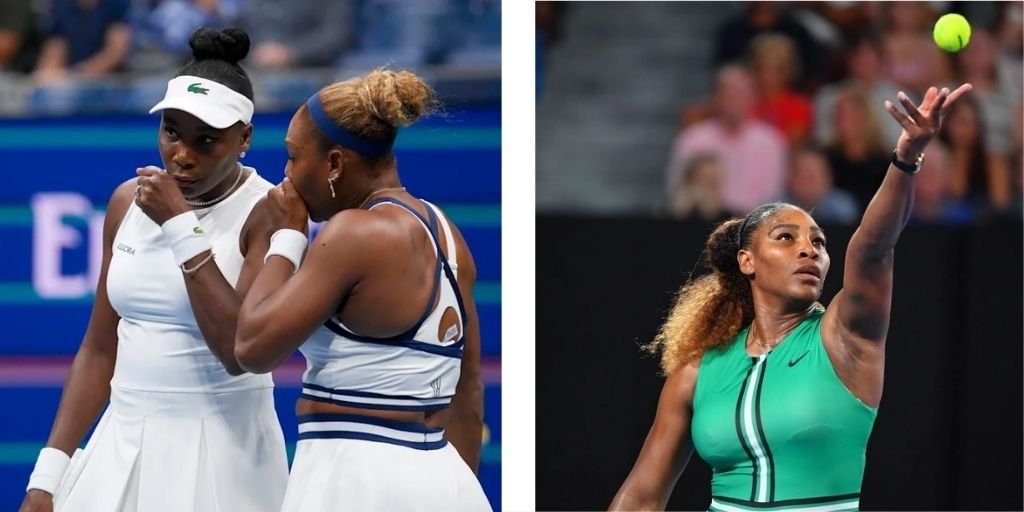
Serena Williams is one of the most recognizable athletes in modern history. Her story is about much more than tennis trophies and championship matches. From growing up in Compton, California, to becoming one of the most successful players the sport has ever seen, she built a career through determination, confidence, hard work, and an extraordinary belief in herself.
What makes her journey especially interesting is how many times she had to overcome pressure, criticism, injuries, setbacks, and expectations. She did not simply play tennis; she helped change the way the world viewed women’s sports. Her influence reached fashion, business, motherhood, entertainment, and social conversations about equality.
So, how did a young girl with enormous ambition become a global icon? Her journey offers an answer.
Early Life and Family Background
Serena Jameka Williams was born on September 26, 1981, in Saginaw, Michigan. She grew up primarily in Compton, California, alongside her sister Venus Williams. Their family would eventually become closely associated with one of the most remarkable stories in tennis.
Their father, Richard Williams, played a major role in introducing both daughters to the sport. He developed a plan for their tennis education and encouraged them to practice from a young age. Serena’s mother, Oracene Price, was also an important influence, helping shape the girls’ discipline and character.
Growing Up in Compton
Compton was not the traditional starting point for an international tennis champion. Tennis clubs and elite training facilities were not naturally part of everyday life there. Yet Serena and Venus practiced on public courts and learned to compete despite difficult circumstances.
Their environment helped develop resilience. Instead of seeing limitations as a reason to stop, the family treated them as challenges to overcome.
Serena’s childhood was therefore different from that of many professional athletes. She learned early that talent alone was not enough. Practice, patience, mental strength, and family support were equally important.
The Beginning of a Remarkable Tennis Career
Serena became a professional tennis player in 1995 when she was only 14 years old. Her arrival attracted attention because she possessed a powerful style and unusual confidence.
At the beginning of her career, she was often compared with Venus, who had already started making a name for herself. While the sisters shared many similarities, Serena gradually developed her own identity on the court.
A Powerful Playing Style
Serena’s game was built around powerful serving, aggressive groundstrokes, athletic movement, and an ability to compete under pressure. Her serve became one of her most important weapons.
But power was only one part of her success. She also developed an exceptional ability to change the momentum of a match.
A tennis match can feel like a long chess game played at high speed. One mistake can change everything. Serena became particularly skilled at staying focused when the pressure was greatest.
Winning Her First Grand Slam
Serena’s breakthrough on the biggest stage came at the 1999 US Open. She defeated Martina Hingis in the final and won her first Grand Slam singles championship.
She was only 17.
The victory was a major sign that a new star had arrived. It also marked the beginning of a career that would eventually transform women’s tennis.
The Importance of the 1999 Victory
Winning a Grand Slam requires much more than winning a few good matches. A player must survive several rounds against opponents who are among the best in the world.
For Serena, the US Open victory demonstrated that she could perform at the highest level.
It also established something that would become a recurring theme throughout her career: she was capable of entering difficult situations and finding a way to win.
Serena and Venus: A Historic Sister Partnership
It is difficult to discuss Serena’s career without discussing Venus Williams. The sisters competed against each other many times, but they also became doubles partners and achieved extraordinary success together.
Their relationship was unusual because they had to balance family life with professional competition.
Rivals on the Court, Sisters Away From It
When Serena and Venus faced each other in major tournaments, the matches attracted enormous global attention. Yet the competition did not erase their family relationship.
Together, they won multiple Grand Slam doubles titles and Olympic gold medals.
Their success changed perceptions of what sisters could accomplish together in professional sports. They became role models for young athletes around the world.
The Williams sisters also helped broaden tennis’s audience. Their personalities, athleticism, fashion choices, and confidence brought new attention to a sport that had often been associated with a narrower image.
Grand Slam Dominance and Career Achievements
Over the course of her career, Serena won 23 Grand Slam singles titles. That achievement placed her at the top of the modern women’s game and just one major singles title behind Margaret Court’s all-time record of 24.
Her Grand Slam victories came at the Australian Open, French Open, Wimbledon, and US Open.
Australian Open
Serena won the Australian Open seven times. The tournament became one of the places where she repeatedly demonstrated her ability to start a season strongly.
French Open
She won the French Open three times. Clay courts often demand patience and endurance, making these victories particularly significant.
Wimbledon
Serena captured Wimbledon seven times. Her powerful serve and aggressive style were especially effective on grass.
US Open
She won the US Open six times, including her breakthrough victory in 1999.
Her achievements were not limited to singles. Serena also collected numerous doubles titles with Venus, making her record even more impressive.
Mental Strength and the Art of the Comeback
One of the most fascinating parts of Serena’s career was her ability to recover from difficult situations.
There were matches where she appeared to be losing control, only to find another level of intensity. This quality became one of her defining characteristics.
Confidence Under Pressure
Great athletes often separate themselves from others through their response to pressure. Serena’s body language, competitive focus, and determination frequently sent a clear message to opponents: the match was not finished.
She could be behind in a set and still believe she could win.
That mentality was like having an internal engine that refused to shut down. Even when circumstances looked unfavorable, she continued searching for opportunities.
Her mental strength became especially valuable during Grand Slam finals, where the emotional pressure can be enormous.
Challenges, Injuries, and Setbacks
Serena’s career was not a straight line of victories. She experienced injuries, illnesses, losses, controversies, and periods when returning to top form seemed extremely difficult.
Yet setbacks became part of her story rather than the end of it.
Learning From Defeat
Every champion loses. What matters is what happens afterward.
Serena experienced disappointing results throughout her career, but she repeatedly returned to competition. Her willingness to rebuild herself after difficult periods became one of the strongest aspects of her legacy.
She also faced criticism about her appearance, personality, playing style, clothing, and behavior. The level of attention surrounding her was often enormous.
Instead of allowing every criticism to define her, Serena increasingly learned to control her own narrative.
Serena Williams and Motherhood
One of the most important chapters of Serena’s life began when she became a mother.
She welcomed her daughter, Alexis Olympia Ohanian Jr., in 2017 with her husband, Alexis Ohanian.
Her pregnancy and subsequent return to professional tennis attracted worldwide attention.
Returning to Professional Tennis
Coming back after childbirth was physically and emotionally demanding. Serena reached four Grand Slam singles finals after becoming a mother, showing that elite competition was still possible after such a major life change.
Her journey also sparked broader conversations about motherhood and professional sport.
Many women had long faced the assumption that having children meant stepping away from ambitious careers. Serena’s experience challenged that idea.
She demonstrated that motherhood and professional ambition do not necessarily have to exist on opposite sides of a line.
Fashion, Business, and Life Beyond Tennis
Serena’s influence extends far beyond the tennis court.
She became known for distinctive clothing choices and for using fashion as another form of self-expression. Her outfits often generated discussion because they challenged traditional expectations about how tennis players should dress.
Building a Business Career
Serena also developed interests in entrepreneurship and investment. She became involved with businesses and startups and eventually created Serena Ventures, a venture capital firm focused on supporting founders and companies.
Her business interests reflect a larger change in her career. She was no longer simply an athlete earning money through competition; she became an investor, entrepreneur, and brand builder.
This transition is important because modern athletes increasingly think about their careers as businesses. Serena was among the major athletes who demonstrated how personal influence could extend into entrepreneurship.
Advocacy, Equality, and Social Influence
Serena has frequently spoken about equality, women’s rights, racial discrimination, and opportunities for women.
Her public profile gave her a platform that reached far beyond sports fans.
Speaking With Confidence
Serena’s willingness to discuss difficult subjects helped make her an important cultural figure. She challenged expectations about how female athletes should behave.
Women in sports have often been expected to appear strong but not “too strong,” confident but not “too confident.” Serena pushed against those contradictory expectations.
Her career showed that a woman could be powerful, ambitious, emotional, competitive, successful, and unapologetically herself.
That message resonated with millions of people.
Serena Williams’ Retirement and Final Chapter in Tennis
In 2022, Serena announced that she was moving toward stepping away from professional tennis. Rather than simply calling it retirement, she described the transition as an evolution.
Her final professional tournament was the US Open in 2022.
The event became one of the most emotional moments in modern tennis.
The 2022 US Open
Playing in front of a home crowd, Serena won her opening-round match and then defeated Anett Kontaveit in the second round.
She eventually lost to Ajla Tomljanović in the third round.
The result was not the ending many fans had imagined. Serena did not leave the sport with another championship trophy.
But perhaps that was fitting.
Her career had never really been about one final match. It was about decades of competition, achievement, reinvention, and influence.
The crowd celebrated her as she walked away from competitive tennis, recognizing that they had witnessed the end of an extraordinary era.
The Lasting Legacy of Serena Williams
What will people remember most about Serena Williams?
The trophies? The powerful serve? The comebacks? The fashion? The rivalry with Venus? Her advocacy? Her role as a mother?
The answer is probably all of these things.
Changing Women’s Tennis
Serena helped make women’s tennis more powerful, athletic, visible, and commercially significant.
Her success inspired generations of young players. Many athletes who came after her grew up watching Serena compete and believing that they could reach the same level.
A Role Model Beyond Sport
Her influence is especially powerful because her story contains both triumph and struggle.
She faced criticism and setbacks, yet continued moving forward.
For many people, that makes her more relatable than a perfect champion would be. Her career reminds us that success does not mean avoiding problems. It means continuing despite them.
Conclusion
Serena Williams built one of the most extraordinary careers in sports history. From practicing on public courts in Compton to winning 23 Grand Slam singles titles, her journey was defined by ambition, discipline, resilience, and an extraordinary competitive spirit.
But her greatest achievement may not be a particular trophy or ranking. Her broader legacy comes from changing expectations.
She showed young athletes that background does not have to determine destiny. She showed women that confidence should not be treated as a weakness. She showed mothers that professional ambition can continue after childbirth. And she demonstrated that an athlete can build influence far beyond the boundaries of a sports arena.
Serena Williams did not simply leave her mark on tennis. She became part of the larger story of modern sports and culture.
Frequently Asked Questions
1. How many Grand Slam singles titles did Serena Williams win?
Serena Williams won 23 Grand Slam singles titles, including seven Australian Open titles, three French Open titles, seven Wimbledon titles, and six US Open titles.
2. When did Serena Williams become a professional tennis player?
Serena Williams became a professional in 1995, when she was 14 years old.
3. Who is Serena Williams’ sister?
Her sister is Venus Williams, another legendary professional tennis player. The two sisters also won multiple major doubles championships together.
4. When did Serena Williams retire from tennis?
Serena Williams played her final professional tournament at the 2022 US Open, where she reached the third round.
5. Why is Serena Williams considered an important cultural figure?
Her influence extends beyond tennis. She has contributed to conversations about women’s sports, equality, motherhood, fashion, entrepreneurship, and representation while inspiring athletes around the world.