Justin Timberlake: The Complete Story of a Pop Star, Performer, and Hollywood Entertainer
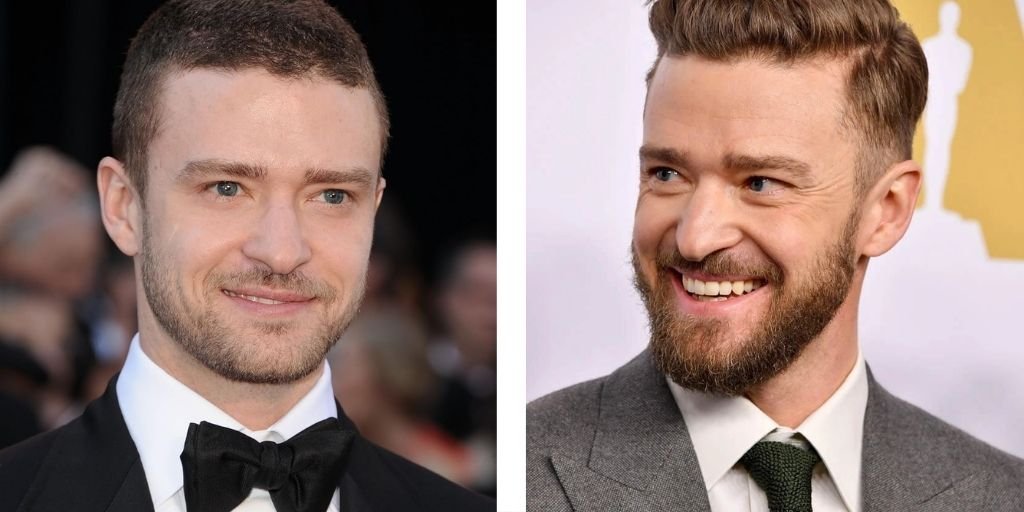
Justin Timberlake has spent decades moving between music, television, film, and live entertainment while remaining one of the most recognizable performers of his generation. From his early days as a young television performer to his rise as a member of *NSYNC and later as a hugely successful solo artist, his career has followed an unusual path. He has repeatedly reinvented his public image while building a reputation for singing, dancing, songwriting, acting, and stage performance.
What makes his story especially interesting is the range of his work. He has performed enormous concerts, released influential pop records, appeared in major movies, hosted television shows, and collaborated with artists from very different musical backgrounds. His journey is not simply a story about fame. It is also a story about adapting to changing audiences and finding new ways to stay relevant.
Early Life and the Beginning of a Remarkable Career
Justin Randall Timberlake was born on January 31, 1981, in Memphis, Tennessee. Growing up in an area strongly associated with American music, he was exposed to performance and entertainment from an early age. His interest in singing became apparent while he was still a child.
One of his earliest major opportunities came through television. As a young performer, Timberlake appeared on Star Search before becoming part of The All-New Mickey Mouse Club. The Disney program introduced him to a national audience and placed him alongside several young performers who would later become famous.
His time on the show was particularly important because it allowed him to develop skills beyond singing. He learned about choreography, television production, comedy, and performing in front of cameras. These experiences became the foundation for the versatile entertainer he would eventually become.
Rather than treating performance as a single skill, Timberlake developed an understanding of entertainment as a complete package. Singing might attract attention, but dancing, humor, personality, and stage presence can keep an audience interested. That combination would become one of his greatest strengths.
*The NSYNC Years and the Rise of a Teen Idol
Timberlake’s career changed dramatically when he became a member of *NSYNC. The group eventually became one of the biggest boy bands of the late 1990s and early 2000s.
With songs built around polished harmonies, energetic choreography, and catchy pop production, *NSYNC connected strongly with younger listeners. Albums such as No Strings Attached became major commercial successes, helping establish the group as a defining act of the era.
Timberlake gradually became one of the most recognizable members. His voice gave him opportunities to take prominent parts in songs, while his dancing helped him stand out during performances.
The band’s success also introduced him to the intense world of international celebrity. Tours, interviews, television appearances, music videos, awards shows, and constant media attention became part of everyday life.
Yet boy-band fame can be complicated. Members are often identified with a particular image created for a specific audience. For Timberlake, the challenge would eventually be how to move beyond that identity.
Could a former teen idol become a serious adult recording artist? Timberlake’s solo career would provide the answer.
A Powerful Solo Breakthrough
In 2002, Timberlake released his first solo album, Justified. The project represented a major change in musical direction.
Instead of simply reproducing the sound associated with *NSYNC, he embraced contemporary pop and R&B influences. Collaborations with producers and writers helped create a more mature musical identity.
Songs such as “Cry Me a River” and “Rock Your Body” became major successes. The album demonstrated that Timberlake could carry a project without the support of a group around him.
His transformation was almost like changing from one stage costume to another. The audience still recognized the performer, but the character had changed. He was no longer simply the young member of a boy band. He was establishing himself as a solo entertainer.
Justified received strong critical and commercial attention and earned Timberlake multiple Grammy Awards. More importantly, it created a foundation for the next phase of his career.
His first solo era proved that leaving a successful group did not have to mean starting over. Instead, it could become an opportunity to redefine yourself.
The Evolution of His Music
Timberlake’s second major solo era was even more ambitious. In 2006, he released FutureSex/LoveSounds, a record that expanded his sound through electronic production, funk, R&B, and dance-pop influences.
The album produced several major hits, including “SexyBack,” “My Love,” and “What Goes Around… Comes Around.”
“SexyBack” was particularly significant because it presented a different Timberlake from the one listeners had known before. Its futuristic production and unusual vocal style helped make the song instantly recognizable.
The album showed his willingness to experiment rather than remain comfortable with an established formula. This became a recurring feature of his career.
Years later, Timberlake continued expanding his musical catalog with projects including The 20/20 Experience and Man of the Woods. These albums explored different combinations of pop, soul, R&B, funk, and contemporary production.
Not every creative decision received the same response from listeners, but that is part of the story. An artist who constantly changes direction will inevitably produce work that audiences receive differently.
For Timberlake, experimentation has often been more important than simply repeating past success.
A Performer Built for the Stage
One of Timberlake’s most recognizable qualities is his ability to combine several forms of entertainment during a live performance.
He does not simply stand at a microphone and sing. His shows often incorporate choreography, musicians, elaborate staging, visual effects, costume changes, and audience interaction.
That approach reflects his early television experience. He learned at a young age that entertainment depends on timing and movement as much as vocals.
His concert tours have attracted large audiences around the world, demonstrating the lasting appeal of his stage persona.
Live performance also gives Timberlake an opportunity to connect different parts of his career. A concert can include songs from his solo albums, material connected to his earlier career, dance sequences, comedic moments, and theatrical production.
For many fans, this versatility is central to his appeal.
A great live entertainer has to make thousands of people feel as though they are participating in the same moment. Timberlake’s career has repeatedly demonstrated that ability.
Television, Comedy, and Saturday Night Live
Timberlake’s relationship with comedy became another important part of his public identity.
His appearances on Saturday Night Live helped reveal a playful side that was not always visible in his music career. He became known for sketches, impressions, musical comedy, and willingness to make fun of his own celebrity image.
His repeated appearances on the program earned him strong recognition as a comedic guest. His hosting and performance work also demonstrated something important: he was comfortable stepping outside his normal role.
Comedy requires different instincts from music. Timing has to be precise, and performers must be willing to look silly when necessary. Timberlake showed that he could do both.
His television appearances also helped broaden his audience. People who might not regularly listen to pop music could encounter him through comedy and entertainment programs.
This ability to cross entertainment categories has remained one of the defining characteristics of his career.
Hollywood and His Acting Career
Timberlake eventually expanded into film, appearing in a variety of movies that demonstrated different aspects of his personality.
He appeared in films such as The Social Network, where he portrayed Napster co-founder Sean Parker. The movie received widespread critical acclaim, and Timberlake’s performance contributed to his reputation as an actor capable of handling more serious material.
He also appeared in commercially oriented projects, romantic comedies, animated films, and dramas. His voice role as Branch in the Trolls franchise introduced him to another generation of viewers.
The Trolls movies were especially notable because they allowed Timberlake to combine acting and music. His contribution to the soundtrack included “Can’t Stop the Feeling!”—a bright, energetic song that became one of his biggest hits.
The track was widely heard and eventually won the Grammy for Best Song Written for Visual Media.
His film career has never completely replaced his music career. Instead, the two have operated alongside each other.
That balance is unusual. Many musicians who become actors eventually concentrate almost entirely on film, while some actors experiment with music without establishing a substantial recording career. Timberlake has managed to maintain both identities.
Awards, Achievements, and Cultural Influence
Over the course of his career, Timberlake has accumulated numerous awards and nominations across music, television, and entertainment.
His achievements include multiple Grammy Awards, Emmy Awards, and other major honors. These awards reflect different parts of his career rather than a single accomplishment.
His influence is also visible in the way pop performers approach entertainment.
Timberlake belongs to a generation of artists who helped blur the boundaries between singer, dancer, comedian, actor, and television personality. His career demonstrated that a pop star could move between different entertainment industries without completely abandoning the original audience.
He also became associated with the revival of elements from earlier musical styles. Funk, soul, R&B, and classic pop influences have appeared throughout his work, often combined with modern production.
This mixture helped him create music that could sound contemporary while still drawing from older traditions.
His impact should not be measured only by record sales or awards. Sometimes an artist’s influence is easier to see in what other performers attempt afterward.
Personal Life and Public Attention
Timberlake’s personal life has frequently attracted media interest because of his long career in the public eye.
He married actress Jessica Biel in 2012, and the couple have maintained a relatively private family life compared with the intense attention surrounding many celebrity relationships.
Like many famous performers, Timberlake has experienced periods when public discussion focused as much on his personal circumstances as his professional work.
This is one of the difficult realities of modern celebrity. An entertainer can spend years building a career, yet a single news story can dominate public conversation.
Timberlake has also experienced controversies and legal issues during his career. These moments have generated substantial media coverage and affected public perception.
It is important, however, to distinguish verified events from speculation. Celebrity culture often encourages people to form strong opinions before all the facts are available.
For a performer with a career spanning decades, public image is constantly changing. Fans may remember different versions of the same person depending on when they first discovered him.
Justin Timberlake’s Business and Creative Interests
Timberlake’s interests have extended beyond recording and acting.
He has participated in business ventures, entertainment projects, and collaborations that demonstrate an interest in the broader creative industry.
His career illustrates how modern performers can become involved in multiple aspects of entertainment rather than simply releasing albums.
This approach makes sense in an industry where musicians are often expected to be more than recording artists. Branding, touring, film, television, endorsements, and business opportunities can all contribute to a long-term career.
Timberlake’s experience also shows why adaptability matters.
Music trends can change quickly. A sound that dominates radio one year may feel outdated several years later. Artists who survive these changes often have to develop new skills or find new ways to present familiar ones.
Timberlake has repeatedly done that.
His Legacy in Popular Entertainment
What will people remember most about Justin Timberlake?
For some fans, it will be the *NSYNC era. For others, it will be Justified or FutureSex/LoveSounds. Some will remember his dance performances, while others may think first of his work in movies or comedy.
That variety is perhaps the most interesting part of his legacy.
He has never been limited to one category.
His career can be viewed as a bridge between several eras of popular entertainment. He experienced the peak of the traditional boy-band phenomenon, the transformation of pop music in the digital age, the growth of celebrity-driven social media culture, and the increasingly blurred line between music, television, film, and internet entertainment.
His journey also demonstrates that reinvention is not always about becoming an entirely different person. Sometimes it means revealing another side of the same performer.
Timberlake’s greatest professional strength may therefore be versatility. He has been a singer, dancer, songwriter, actor, comedian, television personality, and live performer.
That range has allowed him to remain part of popular culture for decades.
What Comes Next for Justin Timberlake?
At this stage of his career, Timberlake has something many performers spend years trying to achieve: the freedom to choose different creative directions.
He does not need to prove that he can sell records. He has already demonstrated that. He does not need to prove that he can perform live. His touring history speaks for itself.
The more interesting question is what kind of projects he wants to pursue next.
Will he focus on new music? Could he explore more acting roles? Might he develop additional television or production projects? Or could he return to some form of collaboration connected to his earlier work?
There is no single obvious answer.
That uncertainty is actually exciting. After decades in entertainment, Timberlake still has the ability to surprise audiences.
His future career will likely depend less on proving himself and more on choosing projects that genuinely interest him.
Conclusion
Justin Timberlake’s career is a story of evolution. He began as a child performer, became part of one of the biggest boy bands in pop history, reinvented himself as a solo musician, and later expanded into acting, comedy, television, and other creative fields.
His journey has included enormous successes as well as moments of criticism and controversy. Yet his ability to keep developing has helped him remain an important figure in popular entertainment.
Perhaps the best way to understand his career is to see it as a long-running stage production. The scenery has changed, the music has evolved, and the audience has grown older, but the central performer has continued finding new ways to step into the spotlight.
FAQs About Justin Timberlake
1. When was Justin Timberlake born?
Justin Timberlake was born on January 31, 1981, in Memphis, Tennessee.
2. How did Justin Timberlake become famous?
He first gained significant attention as a child performer on television and later became internationally famous as a member of the pop group *NSYNC.
3. What was Justin Timberlake’s first solo album?
His first major solo studio album was Justified, released in 2002.
4. Has Justin Timberlake acted in movies?
Yes. He has appeared in films including The Social Network, Friends with Benefits, and the Trolls franchise, among others.
5. What is Justin Timberlake best known for?
He is best known for his work as a singer, songwriter, dancer, actor, and live entertainer, as well as his time with NSYNC and his successful solo career.