
Hugh Hefner: 10 Fascinating Facts About His Life, Career & Legacy
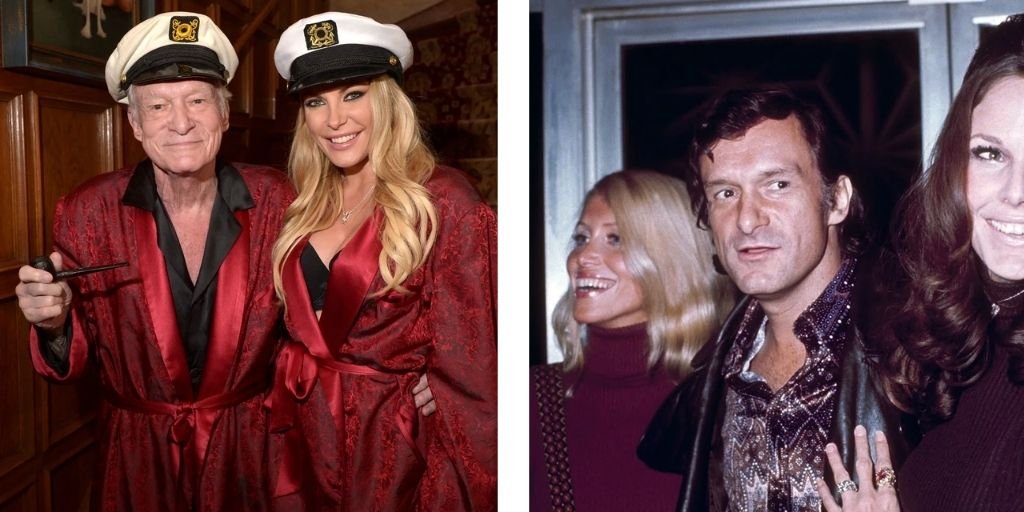
Hugh Hefner was one of the most recognizable and controversial figures in modern American publishing. Best known as the founder of Playboy magazine, he built a media brand that became much bigger than a magazine. It represented a particular lifestyle, influenced popular culture, created debates about sexuality and free expression, and turned its founder into a celebrity himself.
Born in 1926, Hefner lived through enormous social changes in the United States. He witnessed the rise of television, rock music, changing attitudes toward relationships, the sexual revolution, and the growth of celebrity culture. Through Playboy, he attempted to position himself at the center of many of those changes.
But who was the man behind the famous silk pajamas, mansion, parties, and magazine covers? His story was not simply about luxury or entertainment. It included ambition, business risks, family relationships, cultural influence, criticism, and a complicated legacy.
1. Hugh Hefner’s Early Life and Family Background
Hugh Marston Hefner was born on April 9, 1926, in Chicago, Illinois. He grew up in a relatively conservative family and later described his upbringing as strict. His parents, Glenn and Grace Hefner, were religious and placed importance on traditional values.
As a young man, Hefner developed an interest in writing, drawing, and storytelling. Those interests eventually became important parts of his professional identity.
He attended the University of Illinois at Urbana-Champaign, where he studied psychology and became involved with student publications. His experience in college helped him understand that magazines could be more than collections of articles. They could create a complete world around a particular audience.
After college, Hefner served in the U.S. Army during the final period of World War II. He later worked for Esquire, gaining experience in magazine publishing.
That experience was valuable, but Hefner wanted to create something of his own.
He believed there was room for a publication aimed at men that combined sophisticated writing, photography, humor, interviews, fashion, and entertainment. At the time, that idea was commercially risky.
Still, Hefner was willing to take the chance.
2. The Creation of Playboy Magazine
In 1953, Hugh Hefner launched Playboy magazine. The first issue featured Marilyn Monroe on its cover and included photographs that helped attract immediate attention.
The magazine’s success was not based entirely on photography. Hefner wanted Playboy to have a distinctive editorial identity.
The publication featured fiction, interviews, cartoons, lifestyle material, and articles about culture and politics alongside its more provocative content. Over time, the magazine became known for interviews with famous writers, musicians, actors, political figures, and other public personalities.
Hefner’s business model was rather like building a house around a central room. The photography attracted attention, but the surrounding editorial material helped create a larger identity.
The timing also mattered.
American society was changing rapidly during the 1950s and 1960s. Young adults were questioning some traditional expectations surrounding relationships, entertainment, fashion, and personal freedom.
Playboy positioned itself as part of that cultural movement.
3. Building the Playboy Brand
Hefner understood branding remarkably well. He did not treat Playboy as merely a magazine.
The rabbit-head logo became internationally recognizable. The Playboy name eventually appeared on clubs, television programs, merchandise, publishing projects, and entertainment ventures.
This was an early example of turning a publication into a lifestyle brand.
The Playboy Image
The famous Playboy lifestyle included sophisticated clothing, jazz, cocktails, music, modern homes, and an emphasis on personal freedom. Hefner presented himself as someone who enjoyed literature and culture as much as entertainment.
He also became part of the brand himself.
His trademark smoking jacket, mansion lifestyle, and public appearances created an image that audiences could immediately recognize. In a modern media environment, this may seem familiar, but Hefner was among the figures who helped popularize the idea of the media founder becoming a celebrity.
4. Hugh Hefner and the Playboy Mansion
The Playboy Mansion became one of the most famous private residences associated with celebrity culture.
Located in Los Angeles, the mansion became closely connected with Playboy parties and Hefner’s public image. Famous actors, musicians, models, athletes, and entertainers were associated with events held there.
The property included elaborate entertainment spaces and became almost a character in its own right within popular culture.
For many people, the mansion represented the extravagant lifestyle associated with Hefner. For others, it became a symbol of the controversies surrounding the Playboy brand.
Television appearances and reality programming brought the mansion to an even wider audience.
The public fascination was understandable. Instead of remaining a private home, the mansion had become part of the mythology surrounding its owner.
5. His Role in Changing American Culture
One of the most important parts of Hefner’s story is his role in changing conversations about sexuality and personal freedom.
During the 1950s, many subjects relating to sex and relationships were discussed less openly in mainstream American culture than they are today. Playboy challenged some of those conventions.
Hefner presented sexuality as one element of a broader lifestyle that included entertainment, personal choice, and individual expression.
His supporters viewed this approach as part of the movement toward greater openness and sexual freedom. Critics argued that the magazine’s presentation of women contributed to objectification and reinforced particular ideas about gender.
Both the cultural influence and criticism became part of the magazine’s history.
Hefner also used his platform to publish writers and interviews that addressed serious social questions. Over the decades, Playboy interviewed major cultural and political figures and published fiction by respected authors.
That combination helped distinguish the publication from a magazine focused solely on photography.
6. Playboy, Journalism, and Famous Interviews
The editorial side of Playboy became an important part of its identity.
The magazine interviewed numerous major public figures. These conversations sometimes explored politics, civil rights, entertainment, literature, religion, and social change.
The Playboy Interview became particularly recognizable because it allowed public figures to discuss subjects at considerable length.
A Different Kind of Magazine
Hefner wanted the publication to feel intellectually interesting as well as visually provocative. This strategy gave Playboy a place within mainstream cultural conversation.
The magazine also published fiction from well-known writers. Over the years, its pages included contributions from authors such as Ray Bradbury, Ian Fleming, Margaret Atwood, and other prominent literary figures.
This editorial history is important because it shows why the publication became culturally significant beyond its photographs.
It also explains why Hefner’s legacy cannot be reduced to the Playboy Mansion or his personal relationships.
7. Hugh Hefner and Civil Rights
Another notable part of Hefner’s public history was his support for civil rights and racial equality.
Playboy featured Black writers, entertainers, and public figures during periods when American media still faced significant racial barriers.
The magazine interviewed prominent figures including Martin Luther King Jr. and Malcolm X, among others.
Hefner also supported civil rights causes financially and publicly.
One example frequently discussed in accounts of his life is his support for comedian and activist Dick Gregory and other figures connected with the civil rights movement.
However, this part of his legacy should also be understood within the broader complexity of the Playboy brand. Supporting progressive causes did not eliminate criticism of the magazine’s treatment and presentation of women.
Hefner’s public record therefore contains several different strands: free expression, racial equality advocacy, sexual liberation, commercial entertainment, and gender-related controversy.
8. Relationships, Marriage, and Family Life
Hefner’s personal relationships attracted enormous public attention.
He was married multiple times and had four children: Christie, David, Marston, and Cooper.
His daughter Christie Hefner eventually became an important executive within Playboy Enterprises. She served as the company’s chief executive for many years and helped guide the organization during a changing media environment.
Hefner’s romantic life was also frequently covered by newspapers, magazines, television programs, and entertainment media.
His later years became particularly visible through reality television. The Girls Next Door, which premiered in 2005, offered viewers a look into life at the Playboy Mansion and featured Hefner alongside several of his girlfriends.
The program transformed aspects of his private life into entertainment.
It also introduced Hefner’s lifestyle to younger audiences who may not have regularly read the magazine itself.
9. Controversies and Criticism
It is difficult to discuss Hugh Hefner without discussing controversy.
From its beginning, Playboy attracted criticism because of its sexual content and its presentation of women. Feminist critics and other commentators questioned whether the magazine promoted freedom or primarily packaged women’s bodies as entertainment for male consumers.
These debates continued for decades.
Freedom Versus Objectification
Hefner often described his work as part of a broader philosophy of personal liberty. Critics challenged that interpretation, arguing that commercial sexual imagery could still reinforce unequal social expectations.
The debate is complicated because different people can view the same cultural development differently.
The magazine also faced criticism concerning its influence on young people, relationships, masculinity, and consumer culture.
At the same time, supporters pointed to the publication’s journalism, civil rights coverage, and defense of free expression.
Understanding Hefner requires recognizing this tension rather than reducing his career to one simple description.
10. Hugh Hefner’s Later Years
As Hefner grew older, the media environment around him changed dramatically.
The internet transformed publishing, advertising, pornography, entertainment, and celebrity culture. Print magazines faced declining circulation, while audiences increasingly consumed content online.
Despite these changes, Hefner remained associated with Playboy.
He continued to live at the Playboy Mansion and remained involved with the company’s broader identity. His distinctive public image made him a familiar figure even among people who had never purchased the magazine.
His final years were also shaped by family and health concerns, although many details of his private life remained outside public view.
Hefner died on September 27, 2017, at the age of 91, at the Playboy Mansion in Los Angeles. The cause of death was cardiac arrest, with respiratory failure and other medical conditions also reported in contemporary accounts.
His death marked the end of an unusually long career in American media.
11. Hugh Hefner’s Legacy in Media and Popular Culture
What remains after Hugh Hefner?
That is perhaps the most interesting question.
His greatest legacy may be the idea that a magazine could become a complete cultural brand.
The Playboy rabbit became a recognizable symbol. The magazine influenced publishing. The Mansion became a pop-culture landmark. The interviews became part of journalism history. Hefner himself became a celebrity.
His impact can also be seen in the way modern media personalities build personal brands around their businesses.
Today, entrepreneurs, influencers, entertainers, and media founders frequently become part of the brands they create. Hefner was operating in this space long before social media existed.
Yet his legacy remains debated.
Some people remember him as a defender of free expression and an advocate for civil rights. Others focus on the criticism surrounding the sexual politics of Playboy and the power relationships associated with the brand.
These perspectives do not always fit neatly together.
Perhaps that is why Hefner remains such a fascinating historical figure. His career reflected the contradictions of the culture around him.
12. What We Can Learn From Hugh Hefner’s Story
Hefner’s story offers several lessons about media, branding, risk, and cultural change.
First, he understood his audience. He identified a group of consumers whose interests were not being served in the way he imagined.
Second, he understood the power of identity. Playboy was not simply selling pages. It was selling an idea of lifestyle.
Third, he understood consistency. From the rabbit logo to the magazine’s tone, the brand maintained recognizable features for decades.
Finally, his career demonstrates that cultural influence can be complicated.
A person can contribute to social change in one area while attracting serious criticism in another. Public figures are rarely as simple as the images created around them.
Hefner was a publisher, businessman, celebrity, advocate, entertainer, and controversial cultural figure.
His story is like a mirror reflecting several decades of American society. What people see in that mirror often depends on which part of the era they are examining.
Conclusion
Hugh Hefner left behind a cultural footprint far larger than a single magazine. Through Playboy, he created a global brand, promoted a particular vision of personal freedom, published influential interviews and writing, and became a celebrity himself.
His career also generated lasting debates about sexuality, gender, media representation, and commercial culture. Those debates remain important when examining his historical significance.
Whatever perspective someone takes on Hefner, his influence on American publishing and popular culture is difficult to ignore. His life demonstrates how one ambitious publishing idea can grow into a cultural institution—and how the legacy of a public figure can remain complicated long after his death.
Frequently Asked Questions
1. Who was Hugh Hefner?
Hugh Hefner was an American magazine publisher and the founder of Playboy. He launched the magazine in 1953 and later developed it into a broader entertainment and lifestyle brand.
2. When was Hugh Hefner born?
Hugh Hefner was born on April 9, 1926, in Chicago, Illinois.
3. What was Hugh Hefner famous for?
He was primarily famous for founding Playboy magazine, creating the Playboy brand, and becoming closely associated with the Playboy Mansion and its distinctive lifestyle image.
4. How many children did Hugh Hefner have?
Hugh Hefner had four children: Christie, David, Marston, and Cooper Hefner.
5. When did Hugh Hefner die?
Hugh Hefner died on September 27, 2